
Torres del paine
Deciding to do the Torres del Paine Trek is a Once in a Lifetime Experience
The W circuit is one of the most popular routes among those who visit the Torres del Paine National Park. It owes its name to the shape of the route.
The Torres del Paine Trek is very popular, precisely because you don’t need to be an elite athlete to do it, as all you need is a desire to explore, good equipment and good physical condition to tackle the 71km distance. You can complete the trip in 4 to 6 days, depending on your pace and the weather conditions, which as you know, are very unpredictable.
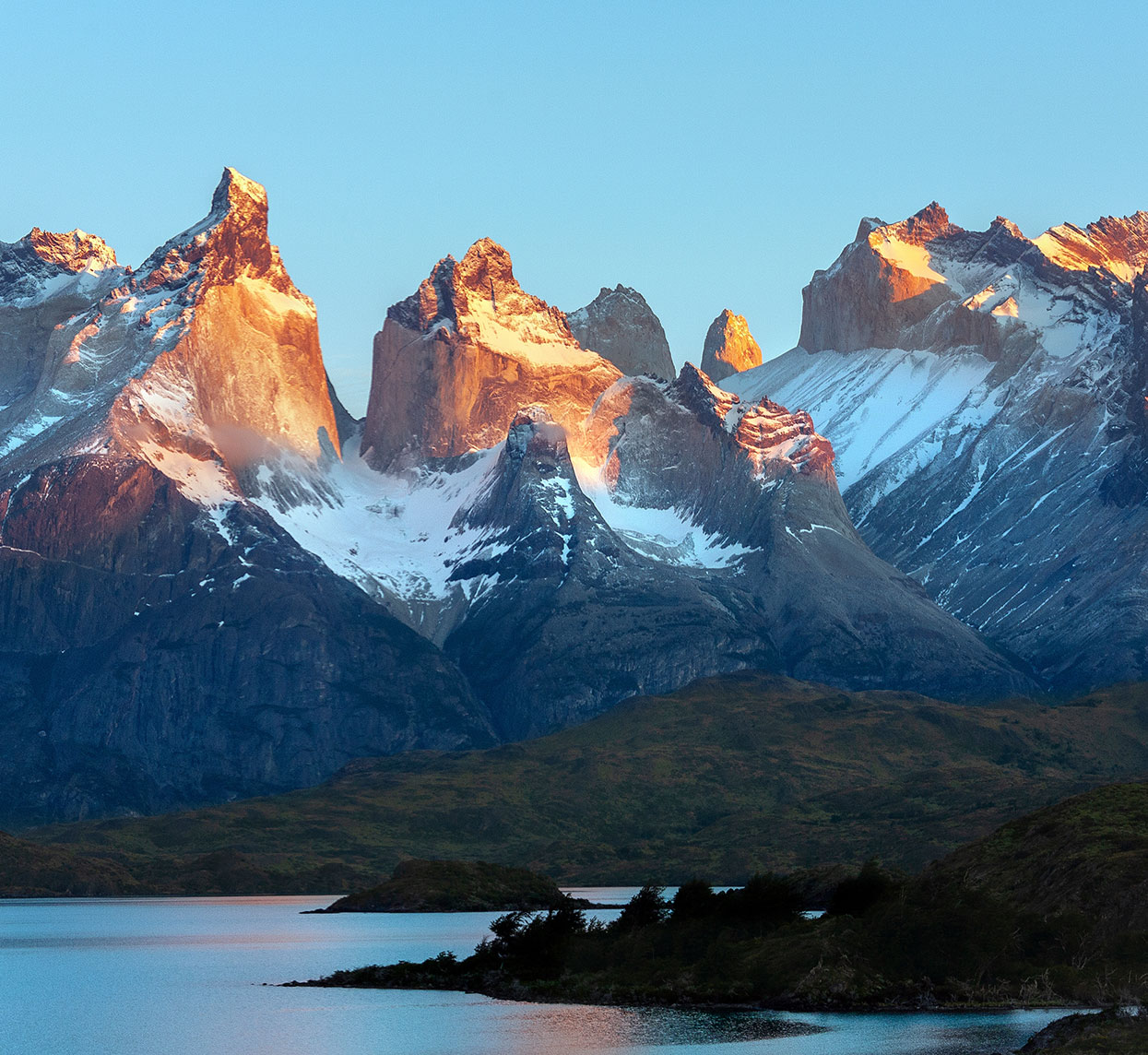
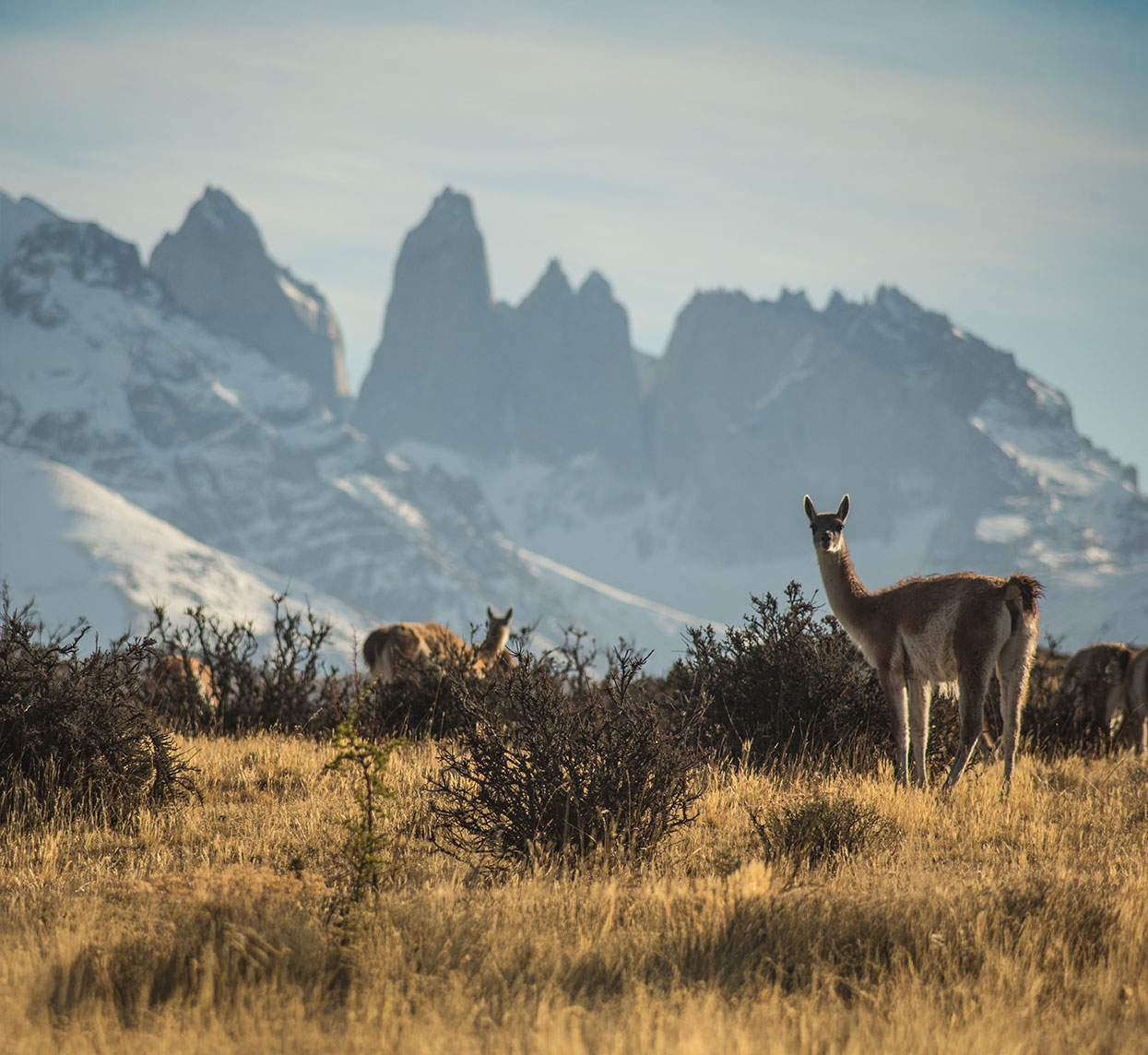
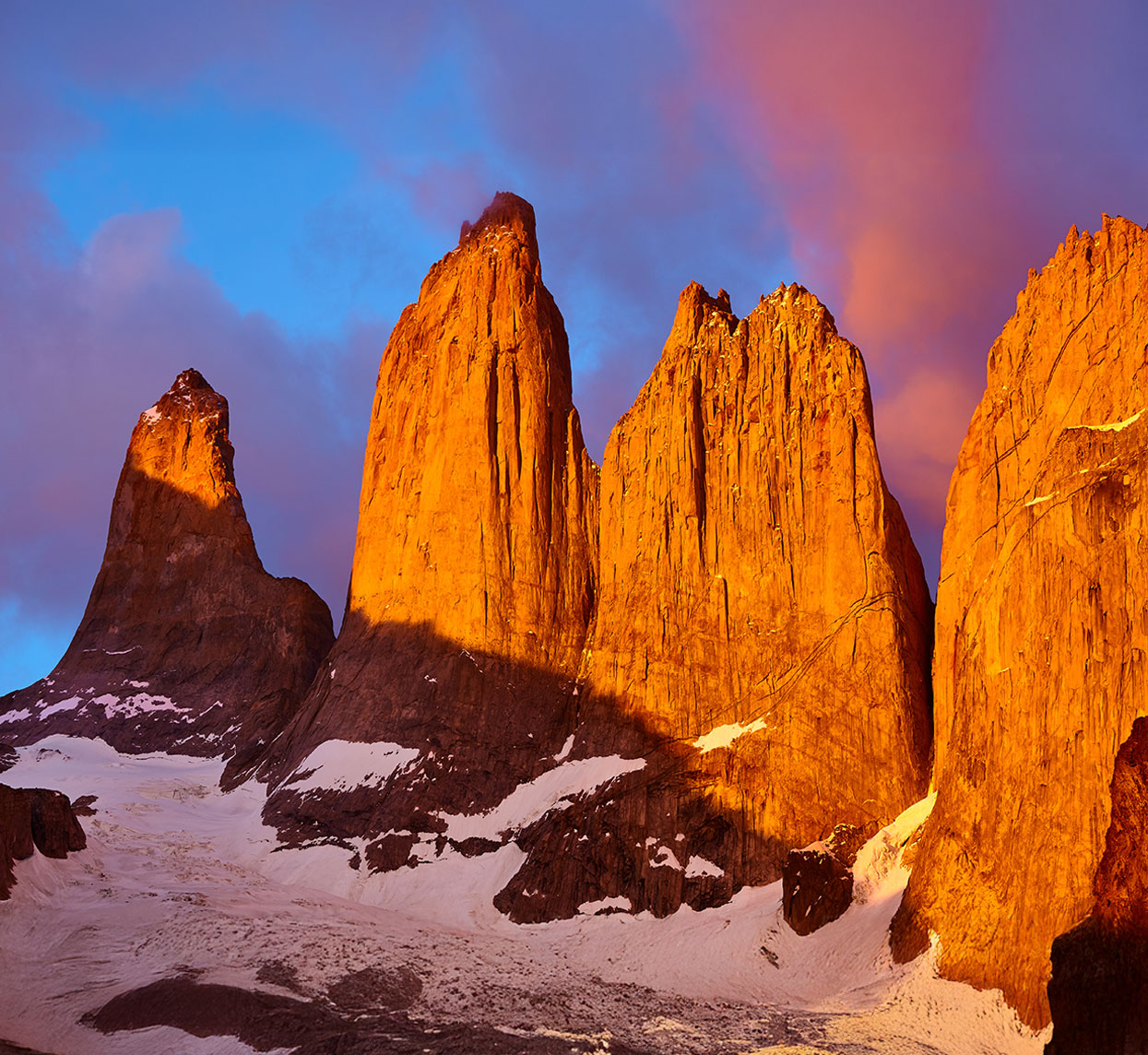
Trekking in Torres del Paine is one of the best ways to discover the main natural wonders of the Park, such as Base Torres, where you will get views of the three pink granite towers and capture the most famous photograph of this biosphere reserve. You will also be able to see the Grey Glacier and tour the French Valley, known for being the most beautiful valley in the Park and from where you can contemplate the beauty of the Paine Grande. We assure you that you will never see anything like it. You will also enjoy lakes and trails, surrounded by Patagonian forest and some extraordinary animals, such as the Culpeo Fox, Woodpeckers, Condors, and if you are lucky, Pumas or Huemules (Andean deer).
You can do the W Trek in a self-guided way since the park has well-defined trails and signage that tells you where you are going. However, it is advisable to go with a guide or hire a Tour so as not to get lost in this immense park of almost 280,000 hectares.
The W Trek has a medium difficulty since although you do not need mountaineering experience to do the trek, you will need to be physically prepared to walk up to 8 hours a day and at heights that reach 870 meters above sea level. So, if you are thinking of doing it, we advise you to start preparing. At the end of each day, you will need to spend the night in the park and rest in one of the camping and shelter alternatives within the W circuit. Some of them are free with prior online reservation (Torres, Paso and Italiano), but generally, you must do so months in advance as demand is increasing.
At Antares Patagonia we have more than 20 years of experience offering trekking tours in Torres del Paine, so you can be sure that you will get the best plan, according to your preferences, time and budget.
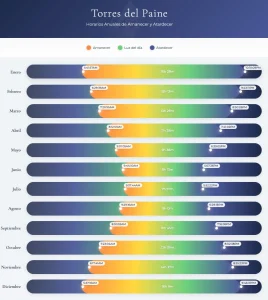
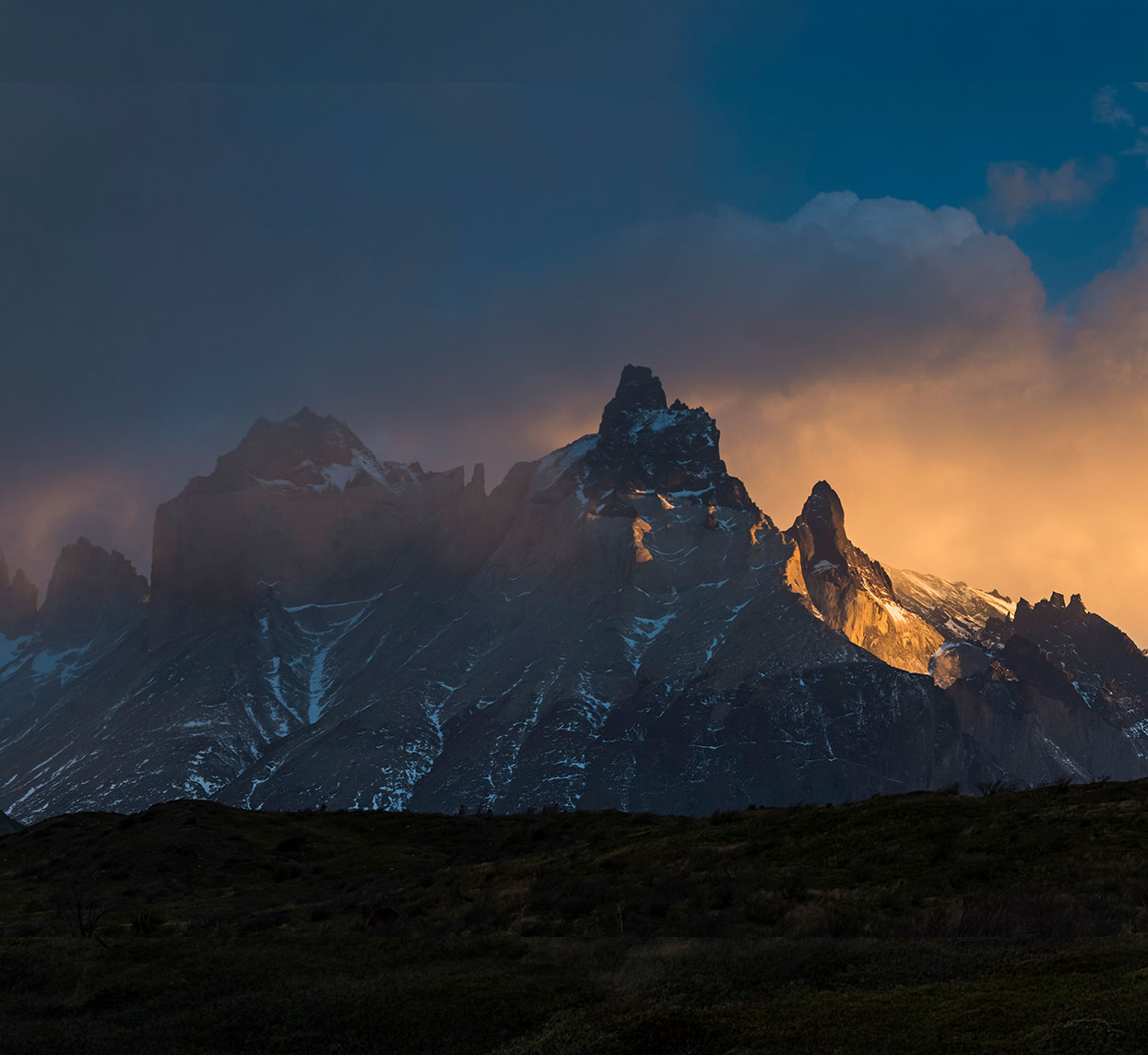
Weather is one of the most defining—and challenging—elements of any trip to Torres del Paine National Park. Travelers often ask what conditions they should expect on the trail, but the reality is that the park’s climate resists simple answers. It is entirely possible to encounter sunshine, heavy wind, rain, and even snow within the same day. This constant variability is not an exception—it is the norm—and successful outdoor operations depend on anticipating and adapting to it.
Torres del Paine sits deep in the southern reaches of Patagonia, where several powerful natural systems converge. Cold air from Antarctica, moisture and storms from the Pacific Ocean, icy influences from the Southern Patagonian Ice Field, and the barrier of the Andes Mountains all interact over a relatively small area. The park’s latitude places it between the infamous Roaring Forties and Furious Fifties, zones dominated by relentless westerly winds that travel around the globe with little resistance.
The park’s dramatic topography further complicates weather patterns. Mountains, glaciers, valleys, lakes, open plains, and fjords each influence airflow, temperature, and precipitation in different ways. As a result, weather conditions can vary significantly from one sector of the park to another. Higher-altitude areas and glacial valleys—such as the Francés Valley—often experience more volatile and extreme conditions due to elevation and glacial microclimates.
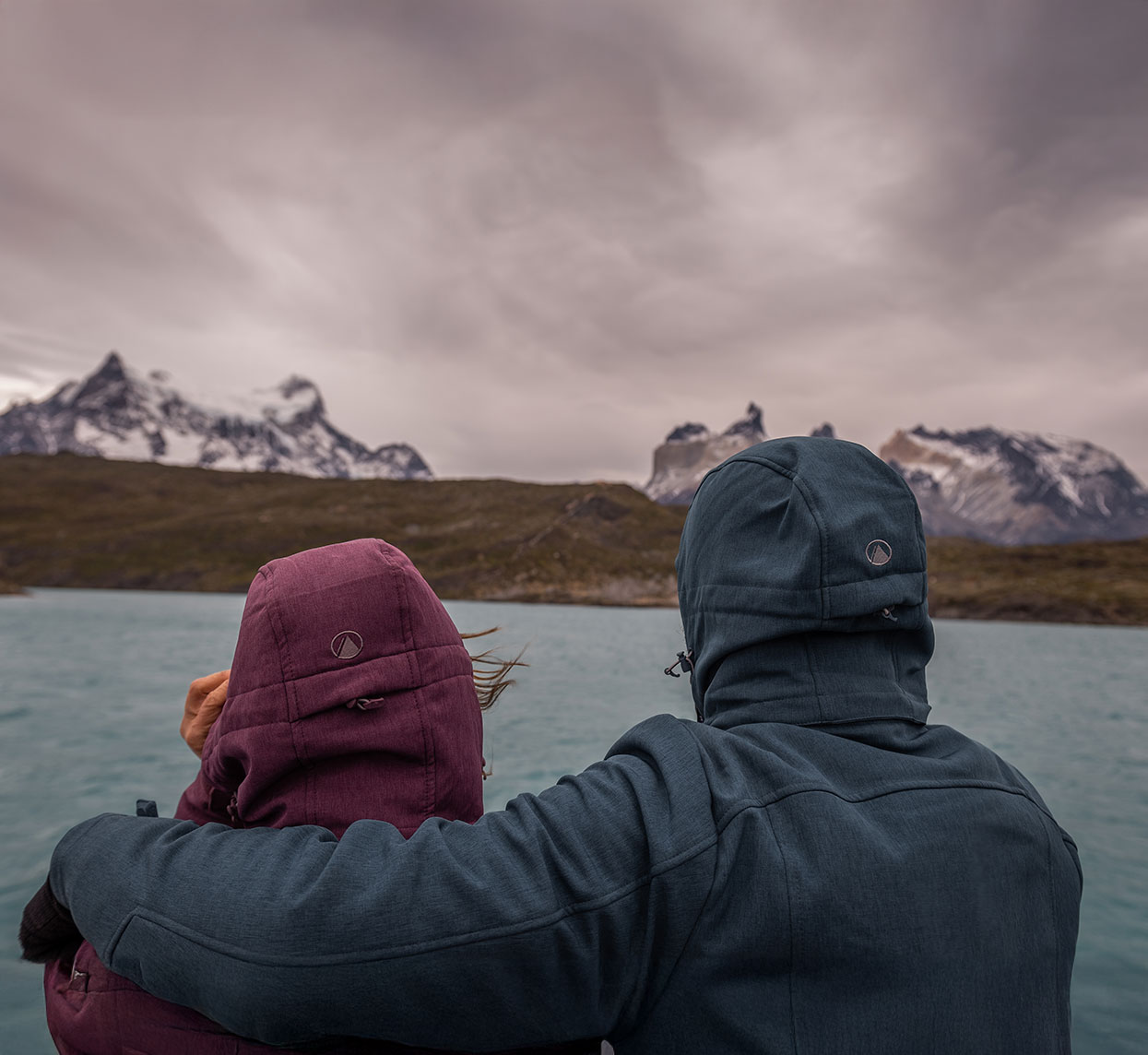
Wind is the most characteristic and operationally relevant weather factor in Torres del Paine. Breezes commonly begin around 20 km/h and can escalate to powerful gusts exceeding 100 km/h, particularly during the summer months. These winds can rapidly alter perceived temperature, visibility, and hiking conditions, sometimes dispersing storm clouds within minutes or, just as quickly, ushering them in. Summer is generally the windiest season, while winter tends to bring calmer air but colder temperatures.
Although precise forecasting is difficult, seasonal trends provide a useful framework for planning hiking and adventure activities throughout the year.
Spring marks the park’s transition out of winter, bringing renewed life to the landscape. Native vegetation begins to bloom, wildlife becomes more visible—often accompanied by newborns—and birdlife is especially active. Visitor numbers are lower, making this a peaceful time for trekking.
Spring trips require strong wind protection and reliable rain gear but reward hikers with solitude and vibrant scenery.
Summer offers the longest days and the most stable temperatures, making it the busiest season for trekking. Warm afternoons contrast with crisp mornings and evenings, while strong winds remain a defining feature.
Layered clothing systems are essential to manage rapid changes in temperature and exposure.
Autumn brings calmer trails and striking seasonal color as lenga forests turn shades of red, orange, and gold. Snow begins to appear on higher peaks, and conditions gradually cool.
This season is well suited for experienced hikers seeking dramatic landscapes and quieter conditions.
In winter, Torres del Paine takes on a distinctly alpine character. Snow-covered mountains, crisp air, and clearer skies create stunning scenery, though conditions demand greater technical preparation.
Winter operations require specialized equipment, shorter daily itineraries, and close monitoring of weather and trail conditions.
Torres del Paine is not a destination where the weather can be controlled or predicted with certainty. Instead, it rewards those who arrive prepared, flexible, and respectful of its natural forces. Proper layering, adaptable planning, and experienced leadership are essential for safe and enjoyable hiking experiences in every season.
The park’s ever-changing climate is not merely a challenge—it is a defining part of the Patagonian adventure.